
Introduction: Why Makeup Removal Deserves More Attention
At the end of a long day, removing makeup can feel like a chore. Many people rush through it or skip it altogether, thinking it won’t make much difference. However, this simple habit plays a huge role in maintaining healthy, glowing skin. If you’ve ever dealt with unexpected breakouts, dullness, or irritation, your cleansing routine might be the hidden culprit.
Understanding how to remove makeup properly is not just about wiping your face—it’s about protecting your skin barrier, maintaining hydration, and preventing long-term damage. When makeup mixes with oil, sweat, and pollution, it creates a layer that suffocates your skin. Removing it correctly allows your skin to breathe and repair itself overnight.
This guide will walk you through everything in detail, helping you build a routine that works for your skin type and lifestyle.
Why Proper Makeup Removal Matters for Skin Health
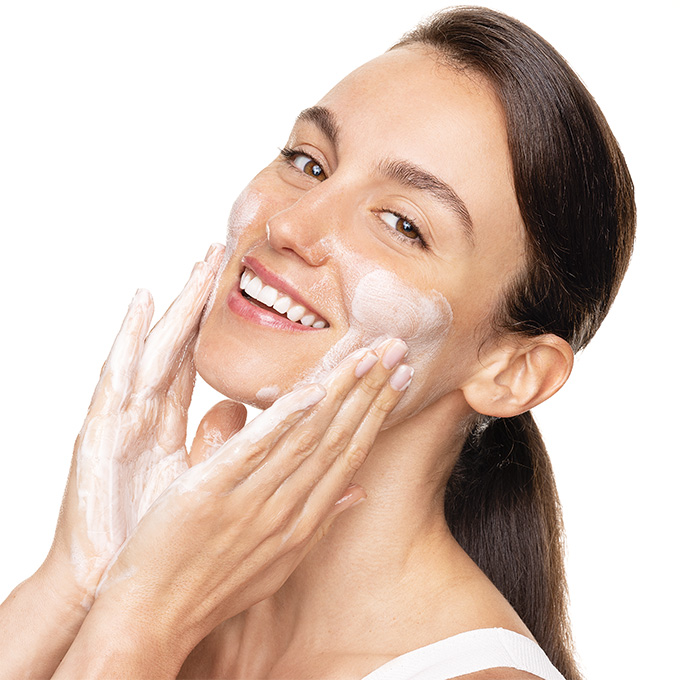
Your skin goes through a lot during the day. Exposure to dirt, pollution, and UV rays already stresses it, and makeup adds another layer. While makeup enhances your appearance, it also forms a barrier that can trap impurities.
When you understand how to remove makeup properly, you prevent clogged pores and give your skin the chance to regenerate. During sleep, your skin repairs itself by producing new cells and restoring moisture balance. If makeup is left on, this process gets interrupted.
Over time, improper cleansing can lead to enlarged pores, uneven texture, and even premature aging. Fine lines may appear sooner, and your skin can lose its natural glow. That’s why this step is not optional—it’s essential.
What Happens When You Skip Makeup Removal
Skipping makeup removal occasionally might seem harmless, but repeated neglect can lead to noticeable skin issues. The effects build up gradually, making them harder to reverse.
When makeup stays on your skin overnight, it mixes with natural oils and environmental pollutants. This combination blocks pores, leading to blackheads and acne. Additionally, bacteria thrive in this environment, increasing the chances of breakouts.
Another issue is dehydration. Makeup prevents your skin from absorbing moisture effectively, leaving it dry and dull. Even worse, the constant buildup can weaken your skin barrier, making it more sensitive and prone to irritation.
Learning how to remove makeup properly helps you avoid these problems and keeps your skin balanced.
Understanding Different Types of Makeup and Their Removal Needs
Not all makeup is created equal, and each type requires a slightly different approach. Light makeup, such as tinted moisturizers and BB creams, can usually be removed with gentle cleansers. However, heavier products like full-coverage foundations and waterproof mascara need more attention.
Waterproof makeup is designed to resist sweat and water, which makes it harder to remove. Using the wrong method can lead to excessive rubbing, damaging your skin. Oil-based removers are particularly effective in breaking down stubborn formulas without harsh friction.
By understanding these differences, you can refine how to remove makeup properly based on what you use daily.
Step-by-Step Routine for Effective Makeup Removal
Start with a Makeup Remover
The first step is to dissolve the makeup sitting on your skin. This is where a dedicated remover comes in. Whether you choose micellar water, cleansing oil, or balm depends on your preference and skin type.
Apply the product gently and allow it to break down the makeup. Avoid rushing this step, as it sets the foundation for effective cleansing.
Pay Extra Attention to Eyes and Lips
The eye and lip areas often have the most stubborn products. Mascara, eyeliner, and long-lasting lipsticks require patience.
Hold a soaked cotton pad over your eyes for a few seconds before wiping. This softens the makeup, making it easier to remove without pulling the skin. Gentle handling prevents wrinkles and irritation.
Follow with a Cleanser
After removing the top layer of makeup, it’s important to cleanse your skin thoroughly. This step removes leftover residue, dirt, and oil.
Double cleansing is a widely recommended method. The first cleanse removes makeup, while the second ensures your skin is completely clean.
Rinse and Hydrate
Rinse your face with lukewarm water to avoid stripping natural oils. After drying your skin gently, follow up with toner, serum, and moisturizer.
This final step restores hydration and keeps your skin barrier healthy.
Comparison of Makeup Removal Methods
| Method | Suitable For | Benefits | Limitations |
|---|---|---|---|
| Micellar Water | Sensitive skin | Gentle and easy to use | Less effective for heavy makeup |
| Cleansing Oil | Waterproof makeup | Breaks down stubborn products | May feel greasy initially |
| Cleansing Balm | All skin types | Hydrating and thorough | Requires proper rinsing |
| Makeup Wipes | Travel or quick use | Convenient | Not deep cleansing |
| Gel Cleanser | Oily skin | Controls excess oil | Can be slightly drying |
This comparison helps you choose the right approach for how to remove makeup properly based on your needs.
Tailoring Your Routine to Your Skin Type
Oily Skin Needs Balance
If you have oily skin, you might think skipping oils is the best option. However, cleansing oils can actually help dissolve excess sebum effectively.
Follow with a gel-based cleanser to maintain balance without over-drying your skin.
Dry Skin Requires Hydration
Dry skin benefits from creamy cleansers and nourishing balms. These products remove makeup while adding moisture.
Avoid harsh ingredients that strip natural oils, as they can worsen dryness.
Sensitive Skin Demands Gentle Care
Sensitive skin requires extra attention. Fragrance-free products and gentle formulas are essential.
Avoid rubbing or scrubbing, as this can cause redness and irritation.
Combination Skin Needs Flexibility
Combination skin requires a balanced approach. Use lightweight products that cleanse effectively without overloading oily areas or drying out other parts.
Understanding your skin type improves how you approach how to remove makeup properly.
Common Mistakes That Damage Your Skin
Many people unknowingly harm their skin during makeup removal. One common mistake is relying solely on makeup wipes. While convenient, they don’t provide deep cleansing and often leave residue behind.
Another mistake is using hot water. It may feel relaxing, but it strips your skin of essential oils, leading to dryness. Similarly, harsh scrubbing can cause micro-tears and irritation.
Skipping the second cleanse is also a frequent error. Without it, impurities remain on your skin, affecting its overall health.
Avoiding these habits ensures your routine aligns with how to remove makeup properly.
Natural Alternatives for Makeup Removal
Natural ingredients can be effective for removing makeup, especially if you prefer a minimalist routine. Oils like coconut and olive oil are excellent at dissolving makeup.
These options are gentle and nourishing, making them suitable for dry skin. However, it’s important to follow up with a cleanser to remove any residue.
Aloe vera gel can also help soothe and lightly cleanse the skin, making it a good option for sensitive skin types.
Quick Routine for Busy Days (Rich Snippet)
Step 1: Apply cleansing oil or micellar water
Step 2: Gently wipe makeup away
Step 3: Wash with a mild cleanser
Step 4: Rinse with lukewarm water
Step 5: Moisturize your skin
This quick guide simplifies how to remove makeup properly even when you’re short on time.
How Consistency Improves Skin Over Time
Consistency is the key to seeing real results. When you follow a proper routine daily, your skin begins to improve gradually.
You may notice fewer breakouts, smoother texture, and a more even tone. Your skincare products also become more effective because they can penetrate clean skin.
Skipping steps occasionally won’t ruin your skin, but regular care makes a noticeable difference.
Travel-Friendly Makeup Removal Tips
Traveling often disrupts routines, but maintaining your skincare habits is still important. Carry travel-sized products or multipurpose cleansers to save space.
Reusable cotton pads are a sustainable alternative to wipes and can be easily packed. Even on busy days, taking a few minutes to cleanse your skin properly can prevent long-term damage.
Signs You’re Removing Makeup the Right Way

When your routine is effective, your skin feels clean but not tight. There’s no leftover residue, and your complexion looks fresh.
Over time, you’ll notice fewer clogged pores and a natural glow. These signs indicate that you’ve mastered how to remove makeup properly.
FAQs About Makeup Removal
Is it okay to skip makeup removal once in a while?
It’s best to avoid skipping it entirely. Even occasional neglect can lead to clogged pores and dull skin.
Do I need to double cleanse every day?
If you wear makeup or sunscreen, double cleansing is highly recommended for thorough cleaning.
Can I remove makeup with just water?
Water alone cannot break down makeup effectively, especially long-lasting products.
Are makeup wipes enough?
They are convenient but should not replace proper cleansing.
How long should my routine take?
A proper routine usually takes around 5–10 minutes.
Conclusion: Build a Routine Your Skin Will Love
Removing makeup is more than just a daily habit—it’s a commitment to your skin’s health. By understanding how to remove makeup properly, you give your skin the care it needs to stay clear, hydrated, and youthful.
The process doesn’t have to be complicated. With the right products, gentle techniques, and consistency, you can transform your skincare routine into a relaxing ritual.
Starting today, take a few extra minutes each night to cleanse your skin thoroughly. Stay consistent, listen to your skin’s needs, and enjoy the long-term benefits of healthy, glowing skin.