
Introduction
Skincare has evolved far beyond being a simple daily habit. Today, it’s a carefully curated self-care ritual that improves skin health, boosts confidence, and prevents premature aging. But with the vast array of skincare products on the market, it can be overwhelming to know which ones are truly effective. From cleansers and serums to moisturizers and sunscreens, each product plays a unique role in maintaining your skin’s health and appearance.
In this guide, we’ll explore skincare products in detail, helping you understand their benefits, how to choose the right ones, and how to build a routine that works for your skin type.
Understanding Skincare Products and Their Importance
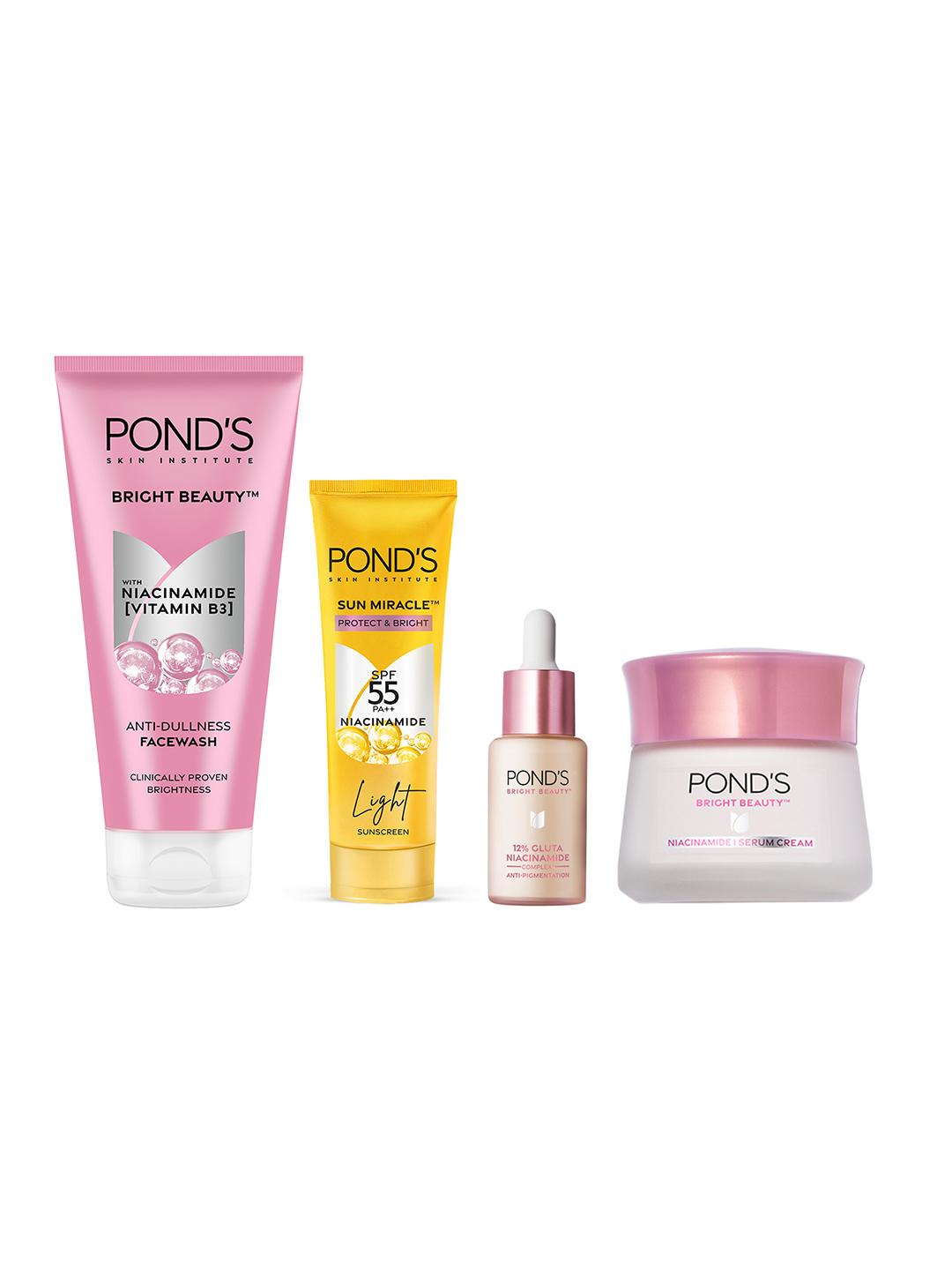
Skincare products are specially formulated to target specific skin concerns. Some provide hydration, others treat acne, reduce dark spots, or combat fine lines. The primary goal of any effective skincare product is to support the skin’s natural barrier, keeping it resilient and healthy.
Your skin acts as a shield against environmental damage, pollution, and UV rays. Using the right products strengthens this barrier, locks in moisture, and keeps your skin balanced. For instance, a daily moisturizer paired with sunscreen ensures hydration while protecting against premature aging caused by the sun.
Even the best skincare products are only as effective as the consistency of their use. A well-thought-out routine, tailored to your skin type, ensures that each product works harmoniously for optimal results.
Types of Skincare Products and Their Core Benefits
Rather than overwhelming you with endless options, let’s focus on the main categories of skincare products and why they are essential:
Cleansers
Cleansers are the foundation of any skincare routine. They remove dirt, oil, makeup, and pollutants, preventing clogged pores and breakouts.
- Gel cleansers are best for oily or acne-prone skin.
- Cream-based cleansers are ideal for dry or sensitive skin, as they hydrate while cleansing.
A good cleanser ensures your skin is clean without stripping away natural oils, which are vital for maintaining a healthy skin barrier.
Toners
Toners are often misunderstood as optional, but they play a crucial role in restoring the skin’s pH balance after cleansing. They also prepare the skin to absorb other products more effectively.
- Alcohol-free toners soothe sensitive skin.
- Exfoliating toners with AHAs or BHAs help remove dead skin cells, improve texture, and prevent breakouts.
Incorporating a toner can make your serums and moisturizers more effective, enhancing overall results.
Serums
Serums are concentrated treatments designed to address specific skin concerns. They penetrate deeper than regular moisturizers, delivering powerful active ingredients.
- Vitamin C serums brighten dull skin and protect against free radicals.
- Hyaluronic acid serums hydrate and plump the skin.
- Retinol serums reduce fine lines and encourage cell turnover.
A single serum can often replace multiple products, offering targeted benefits for your skin.
Moisturizers
Moisturizers lock in hydration and strengthen the skin’s natural barrier. Without proper moisture, your skin can become dry, irritated, or more prone to aging.
- Lightweight lotions work well for oily skin.
- Rich creams are ideal for dry or mature skin.
Even oily skin needs some form of moisturizer, as dehydrated skin can actually produce more oil to compensate.
Sunscreens
Sunscreen is arguably the most important skincare product. Daily use protects against UVA and UVB rays, preventing sunburn, pigmentation, and premature aging.
- Broad-spectrum SPF 30 or higher is recommended.
- Reapply every 2–3 hours when exposed to sunlight.
Even on cloudy days or indoors near windows, UV rays can damage your skin, making sunscreen non-negotiable.
How to Choose the Right Skincare Products
Choosing skincare products doesn’t have to be complicated. Focus on these essential steps:
Know Your Skin Type
Identifying whether your skin is oily, dry, combination, sensitive, or normal is crucial. For example:
- Oily skin benefits from oil-free, lightweight products.
- Dry skin requires rich moisturizers and hydrating serums.
- Sensitive skin should avoid fragrances, alcohol, and harsh chemicals.
Understand Your Skin Concerns
Your skincare products should address specific concerns like acne, pigmentation, dryness, or wrinkles. Using random products may give minimal results.
Check Ingredients
Understanding key ingredients allows you to make informed choices:
- Hyaluronic acid for hydration.
- Niacinamide for brightening and anti-inflammation.
- Retinol for anti-aging.
Avoid unnecessary harsh chemicals that can irritate your skin.
Consistency Over Quantity
It’s better to use a few products consistently than to overload your skin with multiple treatments. Overuse can lead to irritation and reduced effectiveness.
Comparing Skincare Product Types for Easy Selection
| Product Type | Key Benefit | Best For | Recommended Use |
|---|---|---|---|
| Cleanser | Removes impurities | All skin types | Daily (AM & PM) |
| Toner | Preps skin, restores pH | Sensitive, combination | Daily |
| Serum | Targeted treatment | All skin types | 1–2 times daily |
| Moisturizer | Hydrates, protects barrier | Dry, combination, oily | Daily |
| Sunscreen | UV protection | All skin types | Daily (AM) |
| Exfoliant | Removes dead skin cells | All skin types, avoid sensitive | 1–3 times weekly |
| Face Mask | Hydrates or detoxifies | All skin types | 1–2 times weekly |
This table helps you visualize how to integrate products into your routine based on your skin type and needs.
Building an Effective Skincare Routine
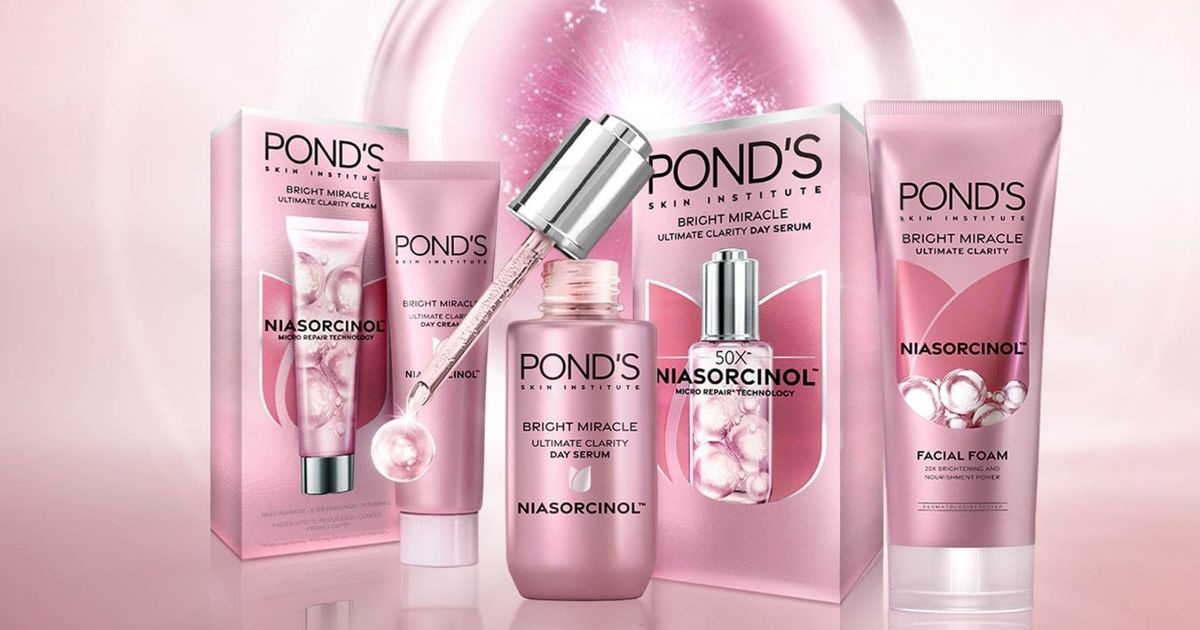
A simplified, effective routine works better than using every new product on the market.
Morning Routine
- Cleanser
- Toner
- Serum
- Moisturizer
- Sunscreen
Evening Routine
- Cleanser
- Toner
- Serum
- Moisturizer
Weekly Treatments
- Exfoliant: 1–2 times per week to remove dead skin cells.
- Face masks: 1–2 times per week to boost hydration or detoxify.
Consistency is more important than complexity. Overcomplicating your routine can actually harm your skin.
Natural vs. Synthetic Skincare Products
The debate between natural and synthetic skincare products is common. Each has advantages depending on your skin and goals:
Natural Skincare Products
- Made from plant-based ingredients.
- Often free from parabens and sulfates.
- Gentle on sensitive skin.
Synthetic Skincare Products
- Contain lab-formulated active ingredients.
- Can target specific concerns more effectively.
- Often provide faster results for issues like acne or pigmentation.
A balanced approach often works best, combining natural products for gentle care and synthetic products for targeted treatments.
Essential Skincare Ingredients to Look For
| Ingredient | Function | Benefit for Skin |
|---|---|---|
| Hyaluronic Acid | Hydration | Plumps skin, reduces dryness |
| Niacinamide | Anti-inflammatory, brightening | Reduces redness, evens tone |
| Retinol | Anti-aging, boosts cell turnover | Reduces fine lines |
| Salicylic Acid | Exfoliation, acne treatment | Clears pores, prevents acne |
| Vitamin C | Antioxidant, brightening | Fights free radicals, brightens skin |
| Aloe Vera | Soothing, moisturizing | Reduces irritation, hydrates |
These ingredients are the backbone of most effective skincare products and should be prioritized when building your routine.
Tips for Skincare Success
- Match products to your skin type.
- Introduce new products gradually and do a patch test.
- Avoid over-exfoliating or combining incompatible ingredients.
- Prioritize hydration and sun protection.
- Rotate products seasonally to meet changing skin needs.
Common Skincare Mistakes to Avoid
Even the best skincare products fail when used incorrectly:
- Skipping sunscreen leads to premature aging.
- Overusing exfoliants can strip natural oils.
- Mixing retinol with strong acids can irritate skin.
- Ignoring hydration can worsen oiliness.
- Chasing trends instead of focusing on essentials.
FAQs About Skincare Products
Q1: How often should I use a serum?
A: Once or twice daily, depending on the serum’s active ingredient.
Q2: Can oily skin use moisturizer?
A: Yes, but choose a lightweight, oil-free formula.
Q3: Are natural products better than synthetic ones?
A: Both are effective; the best choice depends on your skin concerns.
Q4: How do I know if a product is right for my skin?
A: Perform a patch test on a small area before full application.
Q5: Do I need sunscreen indoors?
A: Yes, UVA rays can penetrate windows and cause damage.
Conclusion: Achieve Healthy, Radiant Skin with the Right Products
Skincare products are essential tools for maintaining healthy, glowing skin. Understanding your skin type, knowing your concerns, and selecting products with the right ingredients ensures maximum benefit.
Consistency, patience, and a simplified routine outperform complex regimens with too many products. Incorporate cleansers, toners, serums, moisturizers, and sunscreen for a strong foundation. Avoid common mistakes, prioritize hydration and sun protection, and remember that your skin is unique—listen to its needs.
By investing in quality skincare products, following a thoughtful routine, and making small, consistent efforts, radiant, healthy skin is achievable for everyone.
“Learn how to choose skincare products that suit your skin type and goals. Get expert tips, routines, and ingredient advice for healthy, glowing skin.”
Read More:-Unlocking the Secrets of Moody Skincare for Healthier, Happier Skin